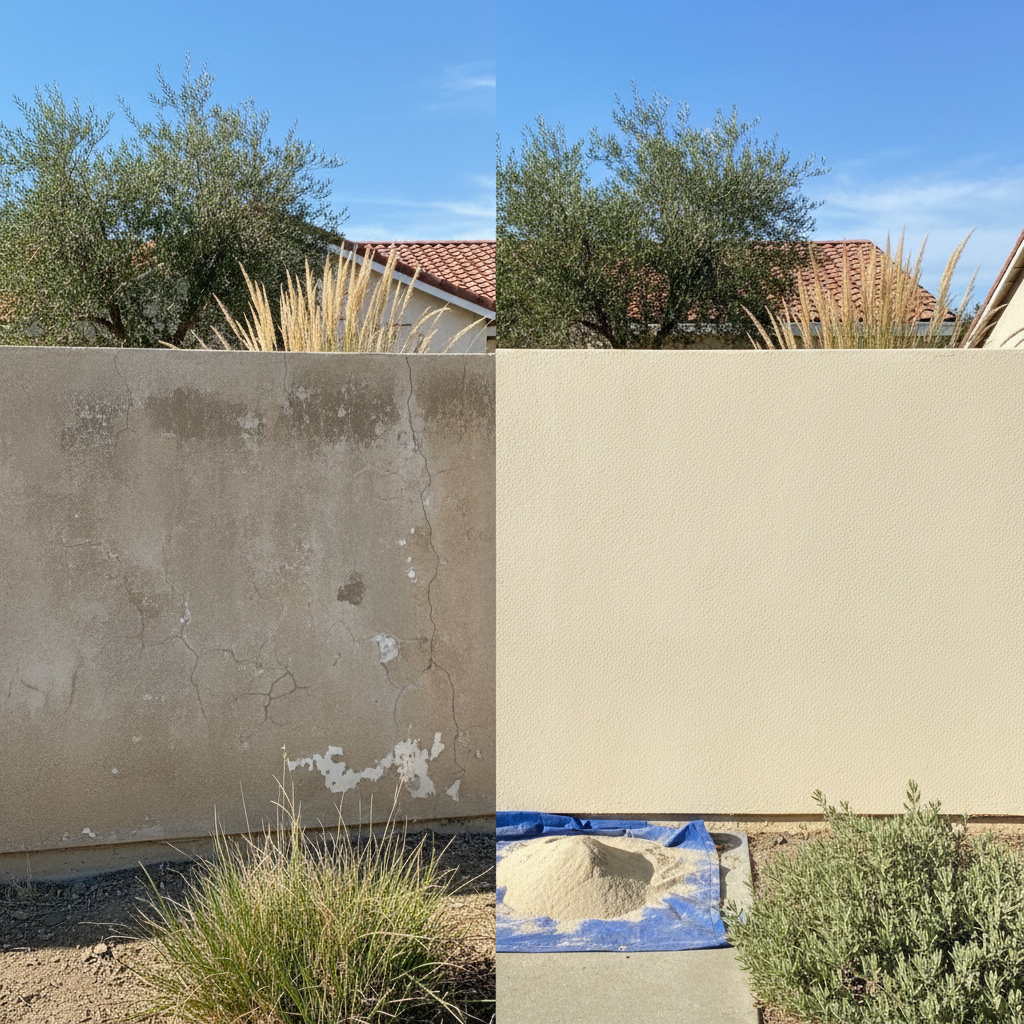
So, you've decided it's time for that old stucco to go. Maybe you're just sick of how it looks, or you've got some serious damage that patching just won't fix anymore. Whatever the reason, once you've made up your mind, the next big question pops up: how do you actually get it off the house? Here in Roseville, you've got two main ways to tackle it: blasting it off or chipping it away by hand. Both methods will get the job done, sure, but they're pretty different when you think about cost, the mess they make, and what's left behind.
The "Blast It Off" Method: Sandblasting or Hydro-blasting
When I talk about blasting, I'm usually thinking of sandblasting or hydro-blasting – that's using really high-pressure water, by the way. This method is all about speed and raw power. Essentially, you're using a powerful stream of abrasive material or water to just strip the stucco right off the wall.
- Speed: This is where blasting really shines. A good crew can clear a huge amount of stucco in a fraction of the time it would take to chip it by hand. If you're on a tight schedule, that's a massive plus.
- Cost: At first glance, the per-square-foot cost for blasting might seem lower because of how fast it is. But hold on a second. You've got to factor in renting the equipment, paying for a specialized crew, and then the absolutely massive cleanup effort. Setting everything up and then taking it all down can be a big job in itself.
- Durability & Underlying Structure: This is where you really need to tread carefully. Blasting, while effective, can be pretty aggressive. Sandblasting, especially, can ding up the sheathing underneath if the person handling it isn't a true expert. You could end up with a pitted or even compromised surface, meaning a lot more prep work before your new siding goes on. Hydro-blasting is a little softer, but it still takes a pro's touch to avoid water getting where it shouldn't or damaging the wall's base.
- Maintenance: There's no real maintenance for the removal process itself, but the shape of the wall after blasting will totally dictate what your new exterior needs down the line. If it's damaged, well, you're looking at more repairs later.
- Appearance: After blasting, the wall usually looks pretty clean, but it might not be perfectly smooth. You're often left with a slightly textured or even scarred surface, depending on the original stucco and how they blasted it. This might mean extra skimming or prep work to get it ready for a new finish.
- Mess Factor: Oh boy, the mess. Sandblasting kicks up a huge cloud of dust and debris. Everything around your house needs to be covered and protected – and your neighbors? They're not always thrilled about it either. Hydro-blasting is wet, obviously, and can create a muddy mess, but it's generally less airborne. Either way, cleanup is a big part of the job, no question.
The "Chip It Away" Method: Manual Removal
This is the old-school approach, often involving air hammers, chisels, and a whole lot of elbow grease. It's slower, more methodical, and honestly, it's what I recommend for most homeowners here in Roseville.
- Speed: It's slower, plain and simple. A crew chipping stucco will take more time than a blasting crew for the same size house. That means your project timeline will stretch out a bit more.
- Cost: While the labor hours are higher, the equipment costs are much lower. Often, the total cost can actually be pretty similar to blasting, or even less, once you factor in the extensive cleanup and potential repairs to the wall's base that blasting often requires. Plus, you're paying for precision, which is worth something.
- Durability & Underlying Structure: This is chipping's biggest advantage. When it's done carefully, manual removal lets the crew be way more precise. They can peel back the stucco layer by layer, which really minimizes damage to the sheathing, house wrap, and framing underneath. This is super important for older homes, especially in places like the historic district near Vernon Street, where the original sheathing might be a bit more delicate. You're much less likely to end up with a compromised base that needs tons of repairs before your new siding goes on.
- Maintenance: Since the underlying structure is usually in much better shape after chipping, your new exterior finish gets a solid, undamaged foundation. This really helps with its long-term durability and cuts down on the chances of future problems related to the wall's base.
- Appearance: The wall surface after chipping is often much cleaner and smoother, meaning less prep work for the next step. You won't be dealing with the pitting or unevenness that blasting can sometimes leave behind.
- Mess Factor: While it's still messy, it's a much more contained kind of mess. You'll have chunks of stucco and dust, sure, but it's not the widespread, airborne cloud you get with sandblasting. Tarps and careful debris management can keep things a lot tidier.
My Recommendation for Roseville Homes
Look, I've seen a lot of stucco come off a lot of houses here at Roseville Stucco & Plastering. For most homeowners, especially if you're planning to put on a new siding like fiber cement or even a new stucco system, I almost always lean towards the manual chipping method. It's just a safer bet for the integrity of your home's structure, you know?
The slightly longer timeline and maybe a higher initial labor cost are often balanced out by less damage to the wall underneath, less intensive cleanup, and a much better foundation for your new exterior. Our hot, dry summers and those occasional heavy rains mean you really want your home's envelope to be as sound as possible. Damaging the sheathing during removal can lead to bigger problems down the road, things like water getting in or even structural issues, and that's a headache no one needs.
Blasting definitely has its place, especially for very specific types of stucco or big commercial projects where speed is everything and the underlying structure can handle the aggression. But for your home, where precision and keeping your walls intact are key, chipping is usually the smarter, more responsible choice. Always get a detailed quote that breaks down not just the removal, but also the cleanup and any necessary repairs to the wall's base for both methods. That way, you can compare apples to apples.