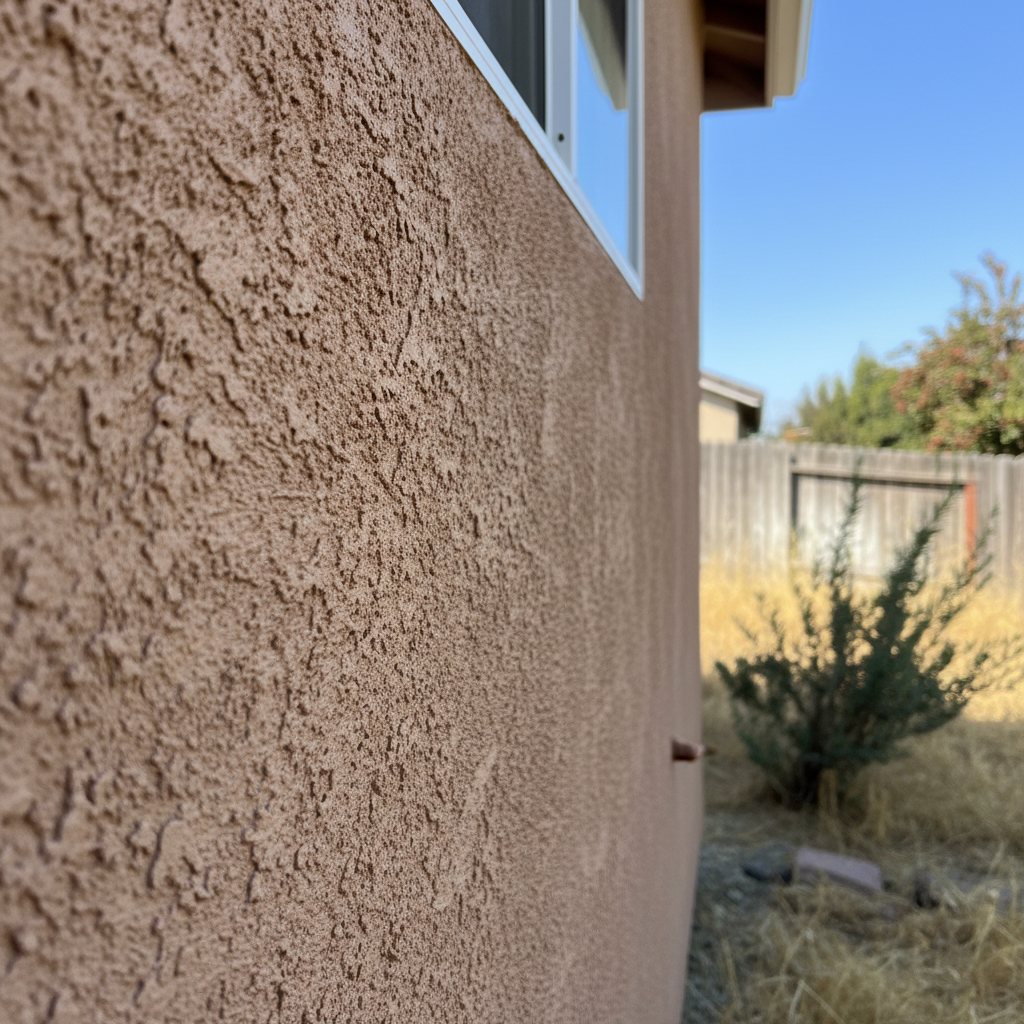
So, you're looking at your stucco, huh? Thinking it could use a little pick-me-up? Maybe it just looks a bit tired, or you've got some small surface problems that aren't quite big enough for a full re-stucco job. That's exactly where redashing comes in. It's basically putting a fresh, thin coat of stucco right over your existing finish. This can really perk up your home's appearance without all the expense and headache of tearing everything off.
What Even Is Redashing, Anyway?
Let's get this straight first. Redashing isn't the same as patching a hole or doing a major stucco repair. No, it's about putting a new, thin layer of finish coat – usually a colored synthetic stucco, though sometimes a traditional cement-based one – right on top of your old one. Think of it like a fresh coat of paint, but for your stucco's texture. It can hide minor flaws, refresh faded colors, and give your house a whole new vibe. It's a great choice if your current stucco is solid underneath but just looks worn out.
Before You Even Think About Starting
Alright, before you even think about grabbing a trowel, you've got to do some homework. The biggest thing? Inspecting your existing stucco. You simply can't just slap new material over bad. I've seen folks try this, and trust me, it always ends up costing them more down the line. Here's what you need to check for:
- Cracks: Are they super fine, like a hair, or wider? Hairline cracks might get covered, but anything significant needs fixing first.
- Loose or Spalling Stucco: Tap on the walls. Does it sound hollow? Is anything flaking off? If so, you absolutely have to fix that before redashing. The new stuff won't stick to anything loose.
- Water Intrusion: This is a deal-breaker, full stop. If you see any signs of water getting behind your stucco – stains, mold, soft spots – you cannot redash. You need to find and fix the leak's source, which usually means a much bigger repair.
- Paint: Is your stucco painted? Redashing over paint can be tricky. Some synthetic finishes can go over certain paints, but it's not a guarantee. You might need special primers or even have to remove the paint, which, let's be honest, is a huge job.
Now, if your existing stucco is in good shape – solid, no major cracks or water issues, and unpainted or compatible with the new finish – then redashing might actually work as a DIY project for a small, non-critical area. But honestly, for most of your house, especially if you're not experienced, you're better off calling someone like us at Roseville Stucco & Plastering.
What You Can Realistically DIY (and What You Probably Shouldn't)
Look, I'm all for homeowners tackling projects, but I'm also for them doing it smart. Here's my take:
DIY-Friendly Tasks:
- Cleaning: This is huge. You need a clean surface for anything to stick. Power washing (carefully, not too high pressure to avoid damaging the stucco, please!) is a good start. Just make sure it dries completely.
- Minor Crack Repair: If you have tiny, hairline cracks, you can fill these with an elastomeric caulk made for stucco. This is a good prep step.
- Masking and Protection: Taping off windows, doors, and protecting your landscaping? Anyone can do that. Don't skip it; overspray is a nightmare to clean up.
When to Call a Pro:
- Large Areas: Redashing an entire side of your house, let alone the whole thing, is a massive undertaking. It takes consistent technique, speed, and a good eye for blending.
- Texturing: Getting a consistent texture across a big area is an art form. If you want a smooth, even finish, it takes practice. I've seen plenty of DIY jobs where one section looks great, and the next looks like a different person did it.
- Matching Existing Finishes: If you're just doing a small section and trying to match the existing texture and color, that's incredibly hard. Pros have the experience and tools to blend it seamlessly.
- Any Structural Issues: As I said, if you have loose stucco, significant cracks, or water problems, you need a professional assessment and repair first. Redashing won't fix underlying issues.
- Multi-Story Homes: Working on ladders and scaffolding with heavy materials is dangerous. Leave it to the insured pros, like us.
Think about your skill level and how much you value a professional-looking finish. For a small garden wall or a tiny section that's not highly visible, maybe give it a shot. But for your main home, especially if you live in one of those older neighborhoods near downtown Roseville with the classic stucco homes, you'll definitely want it done right.
The Redashing Process (Simplified)
If you do decide to tackle a small project, or just want to understand what a pro will do, here's the basic rundown:
- Prep: Clean everything thoroughly. Repair any minor cracks. Mask off everything you don't want stucco on.
- Prime (if needed): Depending on your existing surface and the new material, you might need a bonding agent or primer to make sure it sticks well.
- Mix the Material: Follow the manufacturer's instructions exactly. Consistency is key here. Too wet, it'll sag; too dry, it won't spread.
- Apply the Dash: This is where the skill comes in. Using a hawk and trowel, or a specialized hopper gun, you'll apply a thin, even layer. The technique depends on the texture you want (e.g., skip trowel, dash, smooth). You've got to work fast and keep a wet edge to avoid visible seams.
- Cure: Let it cure properly. This often means misting the stucco with water for a few days, especially during our hot Roseville summers, to keep it from drying too fast and cracking.
After the Redash
Once it's done and cured, you'll have a fresh new look. Keep an eye on it for a few weeks. If you see any issues, address them. For a professional job, you should have a warranty, so if something goes wrong, you're covered. Redashing can extend the life and beauty of your stucco for years, but only if it's done correctly on a sound substrate.
Ultimately, redashing is a great way to revitalize your home's exterior. Just be honest with yourself about what you can handle and when it's time to call in the experts. It'll save you headaches and ensure you get the beautiful, durable finish you're really looking for.