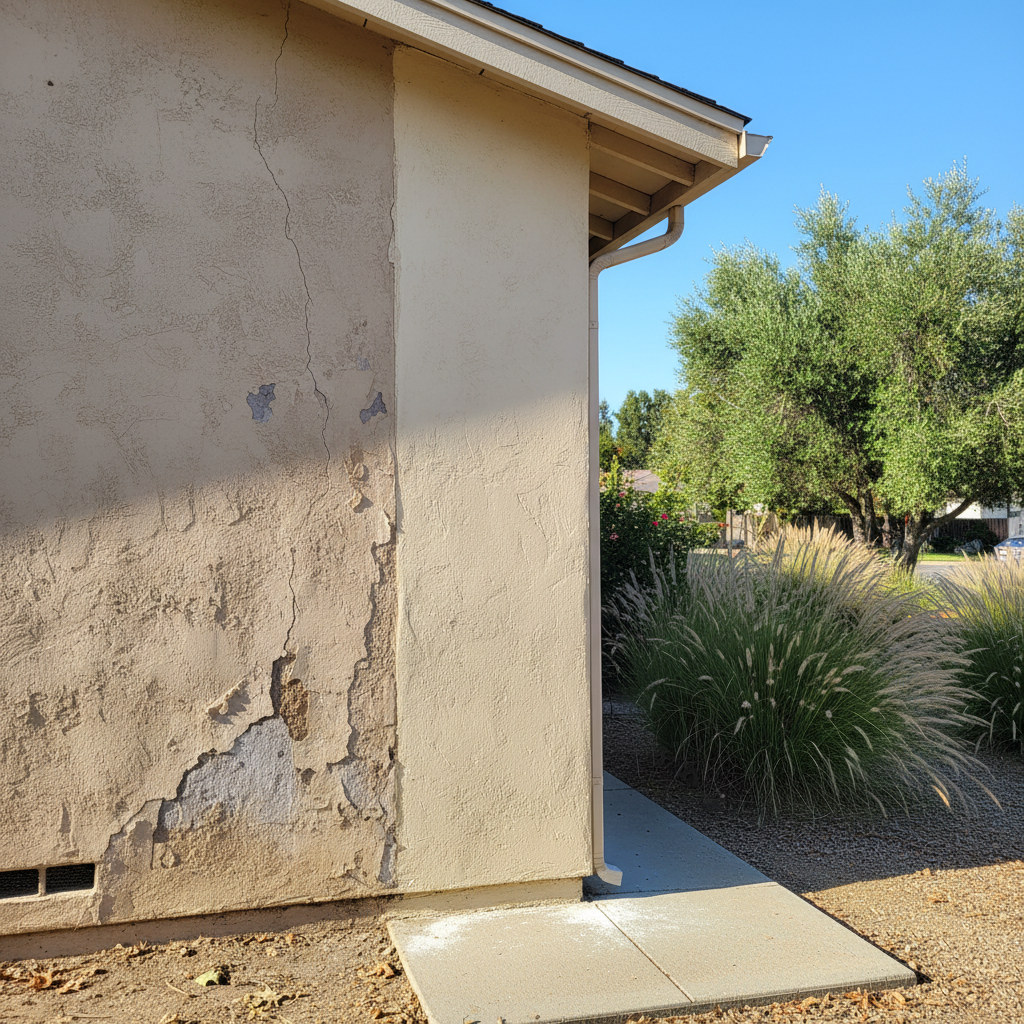
Alright, let's talk stucco redashing. If your home's stucco is looking a little tired, faded, or just needs a refresh, you're probably weighing your options. When it comes to redashing, there are two main ways folks go about it: a fog coat or a full acrylic finish. I see a lot of both around Roseville, and each has its place, but one is almost always the better bet for our climate and homes here.
What's a Fog Coat, Anyway?
A fog coat is basically a very thin, pigmented cement wash. It gets sprayed onto your existing stucco. Think of it like a translucent stain for your stucco, not a new layer. It's more of a cosmetic refresh, really. Its job is to even out the color, cover minor discoloration, and give the surface a uniform look without changing the texture much at all.
The process is pretty quick. We'd clean the existing stucco, maybe do some minor crack repair, and then spray on the fog coat. It dries fast, and suddenly your house looks a lot better. It's definitely the cheaper option upfront, and that's a big draw for a lot of homeowners, no doubt.
Then There's the Acrylic Finish
Now, an acrylic finish is a different animal altogether. This isn't just a stain; it's a new, thin layer of synthetic stucco material. It's made with acrylic polymers, which give it a lot of flexibility and durability that traditional cement stucco just doesn't have. When we apply an acrylic finish, we're actually putting down a new, thin coat over your existing stucco. This means it can slightly alter the texture, or we can match your existing texture pretty closely if you prefer.
This material comes pre-mixed with color, so you get a very consistent, vibrant hue that lasts. It's a more involved process than a fog coat—more prep, more material, and it takes a bit more skill to get it on just right. Naturally, that means it costs more upfront than a fog coat.
Cost: The Obvious Difference
Let's not beat around the bush: a fog coat is significantly less expensive than an acrylic finish. If budget is your absolute top priority and your stucco is in really good shape, just faded, a fog coat might seem like a no-brainer. You're paying for less material and less labor, after all.
An acrylic finish is a bigger investment. You're paying for a premium material and the specialized application it requires. But, as with most things, that upfront cost difference usually translates to differences down the road.
Durability and Longevity: Where Acrylic Shines
This is where the rubber meets the road, especially in a place like Roseville. Our summers are brutal, with long stretches of 100-degree-plus days, and then we get our wet winters. That kind of temperature swing and exposure is tough on any exterior material, believe me.
- Fog Coat: Because it's just a thin cement wash, a fog coat doesn't add much structural integrity or weather protection. It's prone to fading over time, especially with our intense sun. You might find yourself needing to reapply it every 5-7 years to keep the color looking fresh. It also doesn't bridge hairline cracks well, so if you have any, they'll likely show through again pretty quickly.
- Acrylic Finish: This is where acrylic really pulls ahead. The acrylic polymers make it incredibly flexible, so it resists cracking much better, even with temperature changes and minor settling. It's also highly resistant to fading from UV rays, which is huge for us here. You're looking at 15-20 years, sometimes more, before an acrylic finish even starts to show significant wear. It also offers a superior moisture barrier, which is always a good thing for your home's envelope.
Maintenance: Keeping It Clean
Both finishes are relatively low maintenance. You'll want to wash them down periodically to remove dirt and grime. However, the acrylic finish tends to be more resistant to mildew and algae growth. Why? Because it's less porous than a traditional cement-based fog coat. This can be a factor if your home is in a shadier spot, or you have a lot of landscaping close to the house.
Appearance: What Look Are You Going For?
A fog coat gives you a very natural, matte, cementitious look. It's subtle, and if your existing texture is perfect, it just refreshes the color. The color palette can be a bit more limited, usually leaning towards earthy, muted tones.
Acrylic finishes, on the other hand, offer a much wider range of colors, from vibrant to subtle, and they hold their color exceptionally well. You can also get different textures, from a smooth sand finish to a heavier Santa Barbara or dash finish. The color is integral to the material, so it's deep and consistent. It often has a slightly richer, more uniform appearance than a fog coat.
My Recommendation for Roseville Homeowners
Look, I've been doing this for a long time at Roseville Stucco & Plastering, and I've seen countless homes go through these choices. For most homes in Roseville, especially with our climate, I almost always recommend an acrylic finish. Yes, it's more expensive upfront, but you're getting so much more for your money in terms of durability, longevity, and appearance.
Think of it this way: a fog coat is a fresh coat of paint over an old, worn surface. It looks good for a bit, but the underlying issues might still be there, and the color will fade. An acrylic finish is more like giving your stucco a brand new, protective skin. It's going to last longer, protect your home better, and look fantastic for years to come without needing constant touch-ups.
If your stucco is in truly excellent condition, and you just need a very minor color adjustment for a quick sale or something, a fog coat might be considered. But for long-term value, protection, and curb appeal that lasts through our hot summers and occasional winter storms, the acrylic finish is the clear winner in my book. It's an investment that pays off over time by protecting your home and keeping it looking sharp.