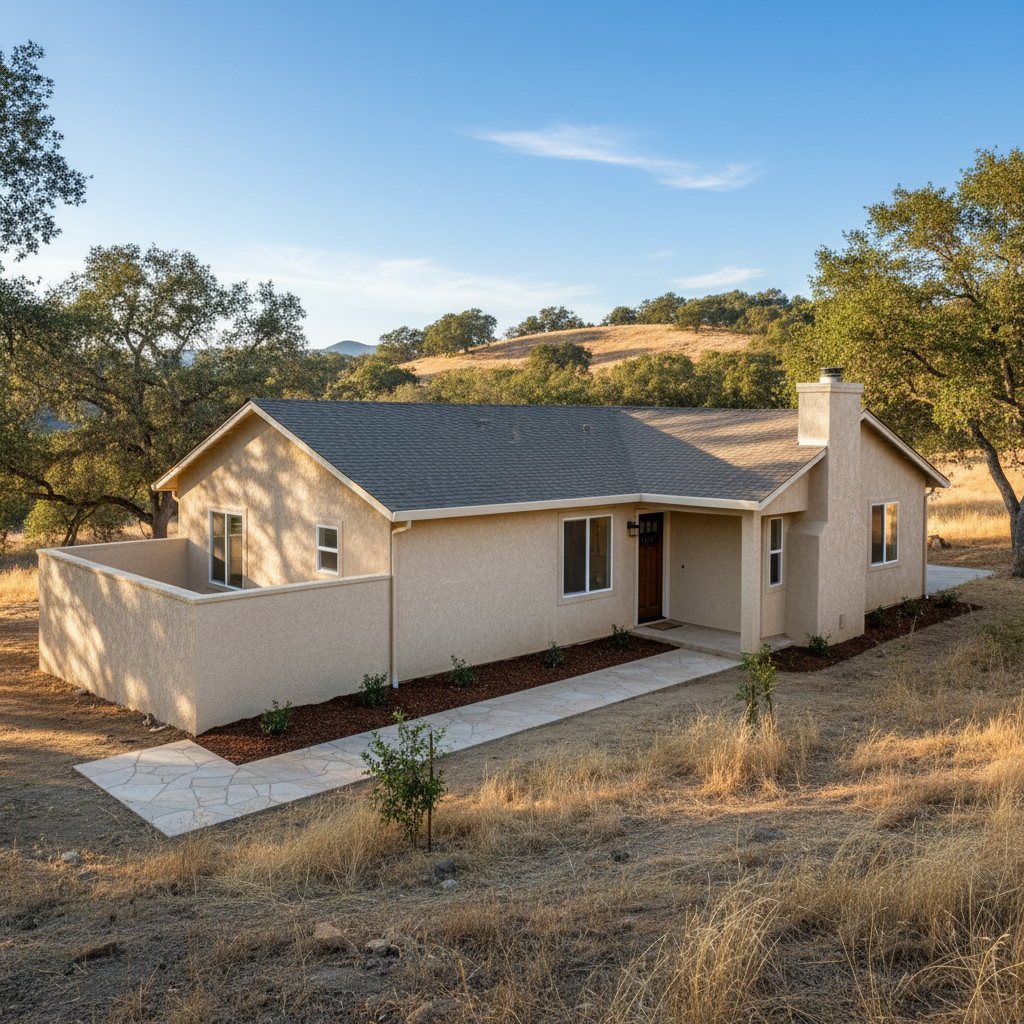
Alright, so you're looking at EIFS for your Roseville home. That's a smart move for a lot of reasons, especially with our hot summers and the need for good insulation. But like any big home improvement project, you can't just jump in blind. You need a plan. I've been doing this a long time, and I've seen what makes a project go smoothly and what causes headaches. Here's what you need to know to get your EIFS installation done right.
Project Timeline: What to Expect
Let's talk timeline first, because everyone wants to know how long their house is going to be a construction zone. There's no one-size-fits-all answer, but I can give you a general idea. For an average-sized home, say 2,000-3,000 square feet, you're usually looking at anywhere from 2 to 4 weeks from start to finish. That's assuming good weather and no major surprises.
- Initial Consultation & Quote (1-3 days): This is where we come out, look at your house, talk about what you want, and give you a detailed estimate.
- Material Ordering (1-2 weeks): Once you approve the quote and sign the contract, we order your specific EIFS materials. Lead times can vary, so this is an important buffer.
- Scaffolding Setup & Prep (2-3 days): We'll set up scaffolding, protect your landscaping, and make sure the existing walls are ready for the new system. This includes any necessary repairs to the substrate.
- Insulation Board Installation (3-7 days): The rigid insulation boards are attached to your wall. This is a critical step for the system's performance.
- Base Coat & Mesh Application (3-7 days): A fiberglass mesh is embedded into a base coat over the insulation. This provides impact resistance and strength.
- Primer & Finish Coat (3-7 days): Finally, the primer goes on, followed by your chosen color and texture finish coat. This is what you'll see every day.
- Cleanup & Final Walkthrough (1-2 days): We take down the scaffolding, clean up the site, and do a final inspection with you to make sure everything is perfect.
Remember, this is a general guide. Things like complex architectural details, extensive prep work, or even a few days of rain can add time. We'll always keep you updated if there are any delays.
How to Prepare Your Home for EIFS Installation
You'll want to do a few things before we even show up with our crew. It makes our job easier and keeps your stuff safe.
- Clear the Perimeter: Move any patio furniture, grills, planters, or anything else that's within about 10 feet of your house. We need clear access.
- Trim Landscaping: If you have bushes or trees right up against the house, give them a good trim. We don't want to damage them, and we need space to work.
- Secure Pets: Keep your pets indoors or in a secure area away from the work zone. We'll have equipment and people moving around.
- Inform Neighbors: It's a good idea to give your neighbors a heads-up that there will be some noise and activity for a few weeks. Good neighbor relations are always a plus.
- Access to Utilities: We might need access to an exterior water spigot or an electrical outlet. Just make sure they're accessible.
We'll cover your windows, doors, and anything else that needs protection with plastic sheeting, but getting the immediate area cleared out by you helps a lot.
Questions to Ask Before You Sign That Contract
Don't just sign on the dotted line without asking some tough questions. This is your home and your money. Here's what I'd ask if I were in your shoes:
- What specific EIFS system are you proposing? There are different types and manufacturers. You want to know exactly what's going on your house.
- What's the R-value of the insulation you're using? This tells you how well it's going to insulate your home. Higher R-value means better energy efficiency, which is great for keeping those AC bills down in Roseville summers.
- Can you provide references from recent EIFS jobs? A good contractor will be happy to share contacts.
- What's your warranty on both materials and labor? Get it in writing. A solid warranty gives you peace of mind.
- How do you handle unexpected issues? Sometimes we find dry rot or other problems once we start peeling back layers. You need to know how they'll communicate these, what the cost implications might be, and how they'll fix them.
- What's the payment schedule? You shouldn't be paying everything upfront. A typical schedule involves a down payment, progress payments, and a final payment upon completion and your satisfaction.
- Are you licensed and insured? This is non-negotiable. Ask for proof of both. For a company like Roseville Stucco & Plastering, we've got all our ducks in a row, but not everyone does.
- Who will be my main point of contact during the project? You need one person you can call with questions or concerns.
Choosing EIFS is a big investment, and it's one that can significantly improve your home's energy efficiency and curb appeal. By knowing what to expect and asking the right questions, you'll ensure a smooth project and a beautiful, long-lasting finish. Don't rush the process, and make sure you feel comfortable with the contractor you choose. It makes all the difference.